 blog
How to Make Your Leicester Home Interior More Sustainable
Last Updated: 29 October 2026
Quick Summary
Sustainable interior design means choosing materials, finishes and layouts that cut waste and last longer, and it usually starts with the home you already have. For Leicester homes, keeping and improving existing walls, floors and fittings often delivers the biggest gains for the least disruption. Check planning and building regulations before you begin.
- Refinish existing timber floors instead of replacing them.
- Use low-VOC paint to reduce odours during and after work.
- Add draught-proofing to doors and windows before adding new glazing.
- Test old paint on pre-1900 timber for lead before sanding.
- Check reclaimed timber for rot and splitting before structural use.
Table of Contents
Sustainable interior design is about choosing materials, finishes and layouts that cut waste and last longer. For Leicester homeowners, sustainable interior design often starts with the existing house. Projects that reuse what is already there often begin with a clear plan rather than a shopping list. The sections below cover practical steps, the planning rules that affect changes, and what professional help costs.
Many households assume sustainable work means expensive new products. In practice, the biggest gains often come from keeping walls, floors and fittings where they are, and improving how they perform. A common mistake is replacing a sound kitchen or bathroom before checking whether it can be refreshed.
Eco-Friendly Home Renovation Ideas That Work in Practice
Good sustainable renovation focuses on the changes that give the most benefit for the least disruption. The list below covers ideas that commonly work well in homes.
- Refinish existing timber floors instead of replacing them
- Repaint with low-VOC paint to reduce odours during and after work
- Add draught-proofing to doors and windows before adding new glazing
- Choose furniture that can be repaired or reupholstered
Watch out: stripping old paint from pre-1900 timber can release lead dust, so test before sanding.
Choosing Sustainable Building Materials UK Homeowners Can Source
Materials make up a large share of the carbon and waste in any interior project. Choosing well means looking at where a product comes from, how long it lasts and whether it can be recycled at the end of its life. Many suppliers now offer materials with recycled content, responsibly sourced timber and natural insulation.
Local sourcing also helps. Materials that travel fewer miles usually have a smaller footprint, and a nearby supplier can make returns and repairs simpler.
Sourcing Reclaimed Timber, Stone and Fittings
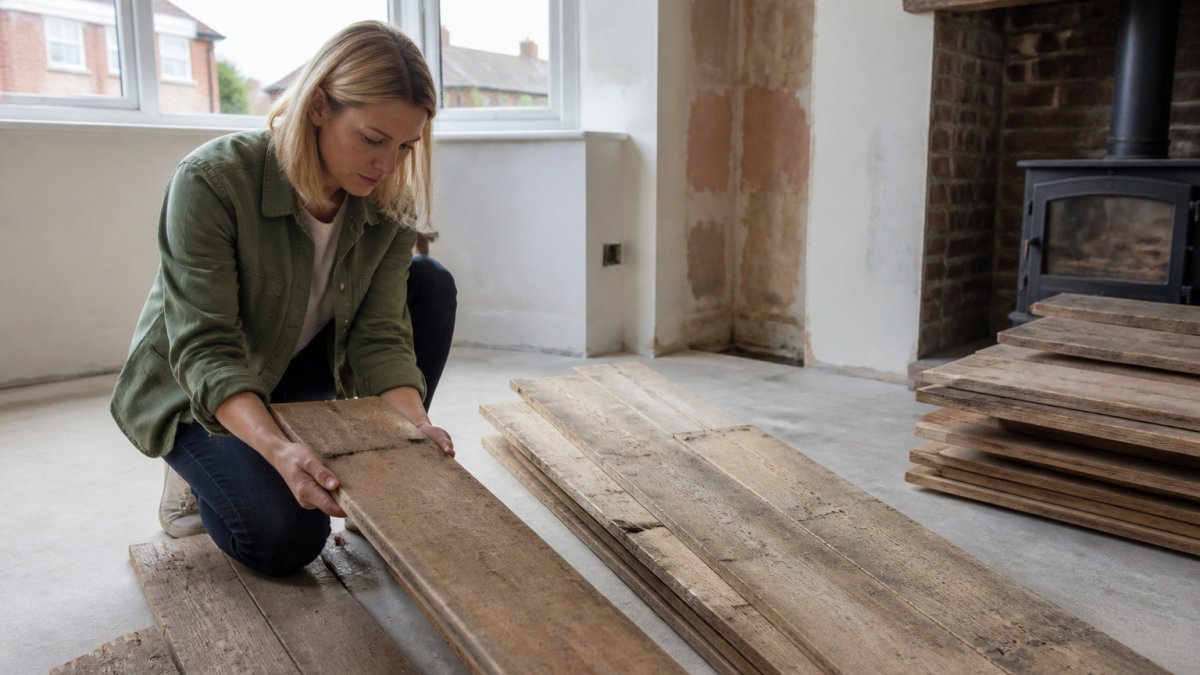
Reclaimed materials are one of the most effective ways to make a home more sustainable. Salvage yards, architectural reclamation shops and house clearance firms often hold good-quality timber, stone and sanitaryware. Buying these keeps usable materials out of landfill and often gives character that new products cannot match.
Checking Reclaimed Materials for Structural Suitability
Reclaimed timber can look sound and still be weak. Before using it for joists, beams or load-bearing elements, check for rot, insect damage and splitting. If you are unsure whether your sustainable works need checking, you can read whether a private building inspector is worth it for home builds. A structural engineer should confirm any timber that will carry load. Where a project changes the structure of the house, building control approval will usually be needed.
Low-Impact Finishes, Paints and Insulation
Finishes affect indoor air quality as well as appearance. Look for paints and adhesives marked low-VOC, and choose natural or recycled-content insulation where it suits the build. Ventilation matters too. A well-insulated home with poor airflow can develop damp, so balance the two.
Planning Considerations for Sustainable Home Improvements
Many sustainable upgrades are covered by permitted development, but not all. External wall insulation, solar panels and some extensions can need planning permission, particularly in conservation areas or on listed buildings. Internal changes can still need building regulations approval. Removing a wall, for example, may require checking whether it carries load first. You can find out if you need building regulations for internal wall removal, including how to tell if a wall is load-bearing. Confirm which approvals apply with your local planning authority or a planning-led architect before any work starts.
What Interior Designer Consultation Costs Really Include
Pricing depends on the size of the project, the level of design input and whether drawings or planning support are needed. For current fees, please contact Solvers Architecture Ltd directly or visit its website for a quote. When comparing quotes, check whether the price covers site visits, concept design, material specification and submission support, as these vary between firms.
Booking a Free Consultation to Plan Your Sustainable Project
A good first step is a conversation about what you want to change and what the house can support. Solvers Architecture Ltd offers a free consultation to plan sustainable interior work. You can find an interior designer in Leicester who combines creative design with planning expertise. Book a free consultation to discuss your Leicester home, or speak with a Leicestershire design agency about your options.
Frequently Asked Questions
How can I make my home interior more sustainable?
Start with the elements you replace anyway: flooring, kitchen units, paint and lighting. Choose reclaimed or responsibly sourced timber, low-VOC paints and LED fittings, and keep existing structure where it is sound. Prioritising durable, repairable pieces over cheap replacements reduces waste over the life of the home. Before any structural change, check whether planning permission or Building Regulations approval applies, since some sustainable upgrades such as insulation or new openings are controlled work.
What are the benefits of using eco-friendly materials in home renovations?
Eco-friendly materials often use fewer virgin resources, produce lower emissions in manufacture and can improve indoor air quality, particularly where low-VOC paints and natural finishes are used. Reclaimed materials carry embodied energy that has already been spent, and durable products reduce the frequency of replacement. Performance matters as much as provenance, so check that any material meets the structural and fire requirements that apply to your project.
Are there specific planning considerations for sustainable home improvements?
Many sustainable upgrades fall under permitted development, but works to listed buildings, conservation areas or properties with planning conditions usually need approval first. Solar panels, rear extensions with green roofs and changes to external appearance can all trigger planning requirements. Confirm the position with your local planning authority or a planning-led architect before committing to designs or materials.