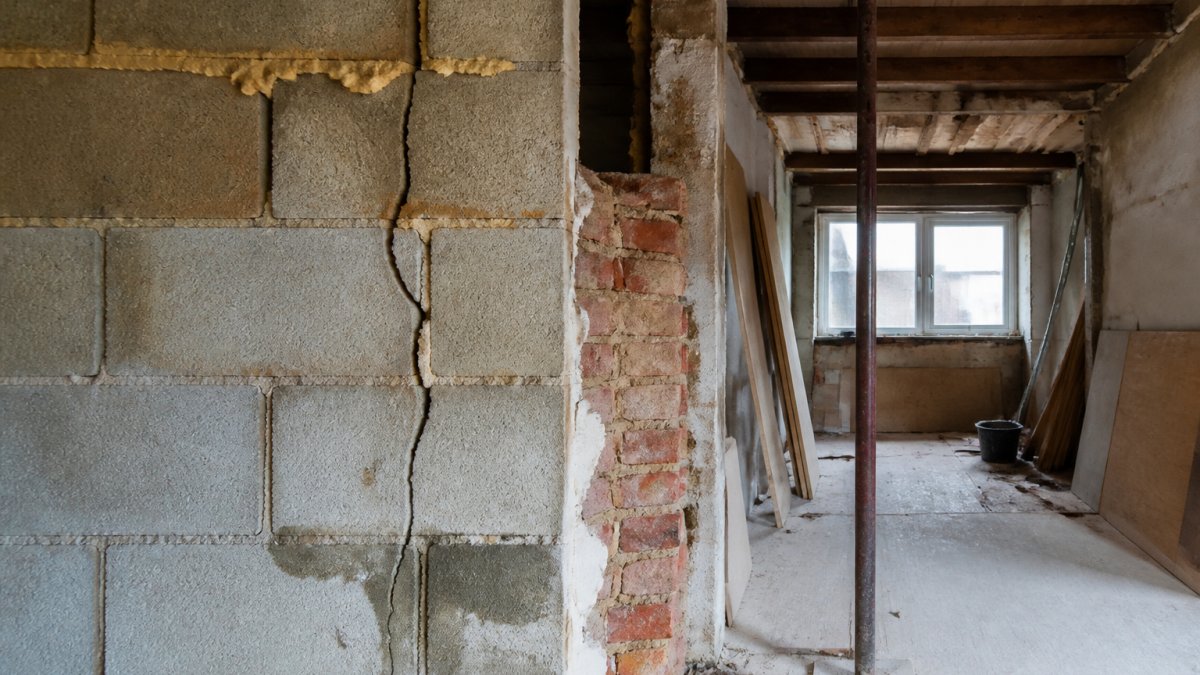
 how-to
7 Consequences of Building Work Done Without Regulations
Last Updated: October 25, 2026
Quick Summary
Building work done without building regulations approval is illegal, and the consequences fall on the owner rather than the builder. Councils can require you to open up finished work for inspection, serve enforcement notices, and prosecute in serious cases, while the work becomes hard to sell and hard to insure.
- Councils generally have two years from the date work was completed to take enforcement action.
- The clock may not have started at all if the work was never signed off.
- Retrospective approval runs through a four-stage regularisation certificate process with the local authority.
- A missing building regulations certificate is one of the most common reasons a sale stalls.
- Applying with original design drawings rather than as-built drawings is the biggest regularisation mistake.
Table of Contents
- What Happens If Building Work Is Done Without Regulations
- The Fines and Penalties You Could Face
- Building Regulations Time Limits on Enforcement Action
- How Retrospective Building Regulations Approval Works
- Applying for a Regularisation Certificate
- The Building Regulations Certificate When Selling a House
- Common Mistakes Homeowners Make When Fixing Unapproved Work
- Book a Free Consultation Before You Regularise
- Frequently Asked Questions
What Happens If Building Work Is Done Without Regulations
Building work done without building regulations approval is illegal, and the consequences fall on the owner, not the builder. Councils can demand you open up finished work for inspection, serve enforcement notices, and in serious cases prosecute. The work also becomes hard to sell and hard to insure.
This guide walks through the consequences of unapproved building work. We deal with regularisation cases across our Leicester, Manchester and London offices, and the pattern is always the same: the earlier you act, the cheaper it gets.
Here is the short version. Unapproved work does not disappear when the plaster dries. It sits on the property file waiting to surface at the worst possible moment, usually during a sale or a remortgage.
Watch out: many homeowners assume a builder's word is enough. It is not. The legal duty to comply sits with the building's owner.
The Fines and Penalties You Could Face
The penalties are real, and they escalate. A local authority can prosecute for non-compliance with building regulations, and the courts can impose a fine for each offence. Magistrates' courts handle most cases, and the fine level is set by the court rather than a fixed figure.
The bigger cost is rarely the fine itself. It is the remedial work.
- Opening up finished work: the council can require you to expose walls, floors and ceilings so an inspector can see what was built. You pay for the strip-out and the making good.
- Enforcement notices: a formal notice requiring you to fix the work within a set period.
- Prosecution: reserved for serious or repeated breaches, but it stays on record.
- Section 36 notices: the council can apply to court for an order requiring you to pull down or alter non-compliant work.
The official guidance on building regulations enforcement sets out how councils apply these powers. In practice, most authorities would rather see the work corrected than take you to court. That is your opening.
Building Regulations Time Limits on Enforcement Action
There is a time limit, and it is shorter than most people hope. Councils generally have two years from the date work was completed to take enforcement action for a breach of building regulations.
That sounds like good news. It is not the escape route people think.
The two-year clock only starts when the work is completed. If the work was never signed off, the council can argue it was never properly completed, and the clock may not have started at all. The legislation covering building regulations enforcement is where the precise wording sits, and it is worth reading before you assume you are in the clear.
Do not build a strategy on a time limit you cannot prove. If you have no completion certificate and no dated evidence of when work finished, the limit is a weak defence.
The key enforcement facts are worth keeping in view before you assume time is on your side.
| Item | Value | Note |
|---|---|---|
| Enforcement time limit | Two years from date work was completed | Clock only starts when work is completed |
| Work never signed off | Clock may not have started at all | Council can argue work was never properly completed |
| Weak defence | No completion certificate and no dated evidence | Do not build a strategy on a time limit you cannot prove |
How Retrospective Building Regulations Approval Works
Retrospective building regulations approval is the process of getting an inspector to assess work that was already built without approval, and issuing a certificate if it complies. It is the standard route out of the problem.
The process runs in four stages:
- Apply to the local authority for a regularisation certificate, with drawings and a description of the work.
- The council inspects whatever it can see, and may require you to open up concealed areas.
- You carry out remedial work where the inspector finds shortfalls.
- The council issues the certificate once the work meets the standards.
Not every council handles this the same way, and some are slower than others. If you are weighing up how long the standard approval routes take, our guide to building control approval timelines explains what to expect from each one.
Applying for a Regularisation Certificate
Applying for a regularisation certificate starts with a full application to the local authority, not a phone call. You need drawings that show what was actually built, not what was originally designed. That distinction catches people out constantly.
Here is what a strong application includes:
- As-built drawings showing the real layout, dimensions and construction
- Structural calculations where walls were removed or openings formed
- A written description of the work and when it was carried out
- Any evidence of the original build, such as photographs taken during construction
- The application fee, which is set by the council and varies by authority
The inspector will then visit and tell you what needs opening up. Expect some disruption. A loft conversion with a new floor structure will usually need floorboards lifted and insulation exposed.
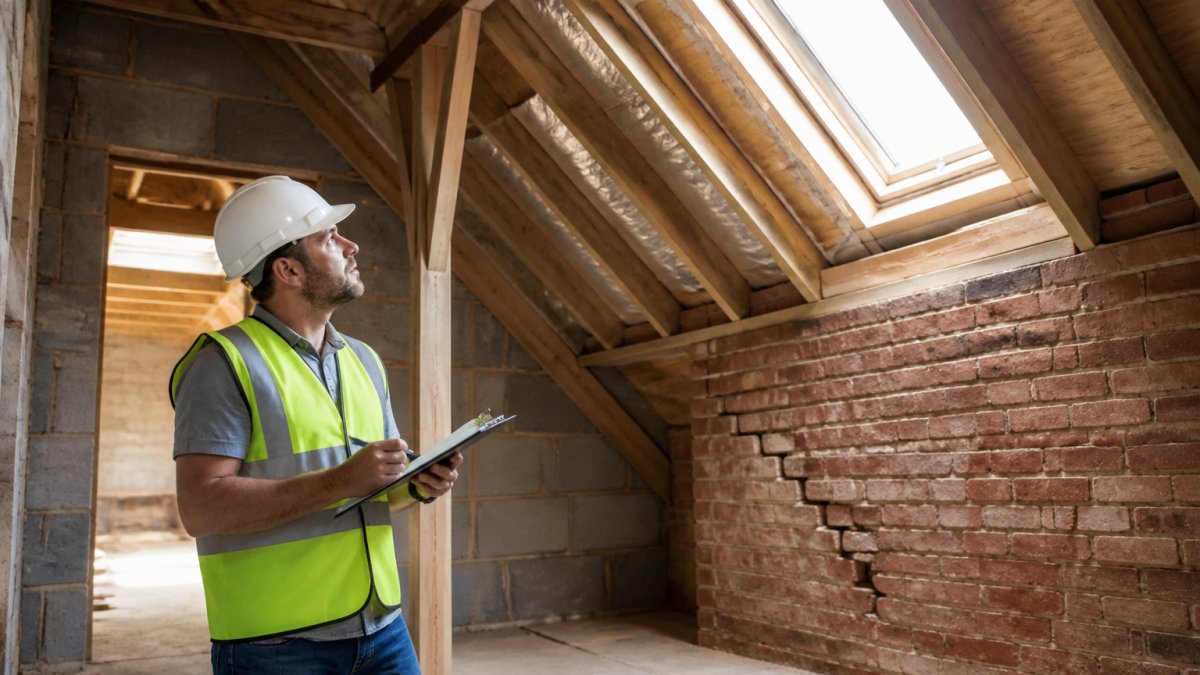
If the property has a loft conversion in the mix, our step-by-step guide to building regulations approval for a loft conversion shows what a compliant application and inspection process looks like from the start.
The Building Regulations Certificate When Selling a House
A missing building regulations certificate when selling a house is one of the most common reasons a sale stalls. Buyers' solicitors ask for it, and when it is not there, the questions start.
What actually happens:
- The buyer's solicitor raises an enquiry about the work
- You cannot produce a certificate, so you disclose the position
- The buyer either walks, renegotiates, or asks you to regularise before exchange
- Your lender may also refuse to lend against unapproved work
The last point is the one sellers underestimate. A mortgage valuation is not a building regulations check, but lenders can and do ask for evidence of approval on significant alterations. No certificate, no mortgage, no sale.
Regularising before you market the property is almost always cheaper than negotiating a discount under pressure. Sellers who fix it first keep their negotiating position. Sellers who leave it hand the buyer a reason to knock the price down.
Common Mistakes Homeowners Make When Fixing Unapproved Work
The biggest mistake is applying for regularisation with drawings that show the original design rather than what was built. Inspectors spot it immediately, and it wastes months.
Other mistakes we see regularly:
- Assuming the builder is liable. The duty sits with the owner. You may have a civil claim against the builder, but the council deals with you.
- Skipping structural calculations. Removing a load-bearing wall without calculations is the single most common unapproved alteration. If you are unsure whether a wall is load-bearing, read our guide on internal wall removal and building regulations before you touch anything.
- Starting remedial work before the inspector has seen it. You lose the evidence, and the inspector cannot sign off what they never saw.
- Using a builder who says approval is not needed. Get that in writing, then ignore it and check with the council.
Watch out: if you have already covered up remedial work, tell the inspector. Hiding it and hoping is how small problems become enforcement cases.
Book a Free Consultation Before You Regularise
The hardest part of regularisation is not the paperwork. It is knowing what the inspector will ask for before they ask for it.
At Solvers Architecture Ltd, we produce building regulation drawings and manage council submissions, so the application reflects what was actually built. We work across residential, commercial and development projects, and we tell you upfront what is likely to need opening up.
If you are still unsure how building regulations differ from planning permission, our beginner's guide to the two approval routes clears it up in a few minutes.
Book a free consultation with our team and we will review your position, flag the risks, and set out a route to a certificate. If you would rather see who you would be working with first, take a look at our planning-led architectural design services.
Frequently Asked Questions
Can you be fined for not complying with building regulations?
Yes. Local authorities can prosecute for non-compliant building work, and in the most serious cases the magistrates' court can impose an unlimited fine. Enforcement notices can also require you to strip out or alter the work, which you pay for. The risk sits with whoever commissioned and carried out the work, so a homeowner who used an unqualified builder is still exposed. Getting a regularisation certificate early usually costs far less than waiting for enforcement action.
Can I sell a house with building work that has no building regulations certificate?
You can, but it complicates the sale. Conveyancers ask for completion certificates for any notifiable work, and buyers' solicitors routinely raise enquiries when a certificate is missing. That can stall the transaction, reduce the offer, or push a buyer to insist on a regularisation certificate before exchange. If you know a certificate is missing, start the regularisation process before you list the property. It gives you a clean answer to the buyer's solicitor and avoids a last-minute hold-up.
How long can building control take action over unauthorised work?
Building regulations enforcement has time limits. For work carried out without approval, the local authority can take enforcement action, and prosecution may be brought within a certain period. Some breaches, such as certain fire safety failures, have no time limit at all. Do not assume that a quiet few years means you are safe. The regularisation route remains open and is often the cleanest way to close the issue off.
What should I do if I discover building work was not approved?
Gather everything you have: drawings, builder invoices, photographs and any structural calculations. Then contact your local authority building control team or a registered building control approver and apply for a regularisation certificate. They will inspect what is accessible and may ask for opening-up work, such as exposing foundations or floor structures, so the work can be assessed. An architectural consultant can prepare the drawings and specification the application needs, which speeds up the process considerably.
Unapproved work rarely stays quiet. It surfaces at valuation, at exchange, or when a neighbour complains. Getting ahead of it costs less than reacting to it. Get started with Solvers Architecture Ltd and turn an unapproved build into a certified, saleable one.