 how-to
How Long Does Building Control Approval Take?
Table of Contents
- How Long Building Control Approval Actually Takes
- Full Plans Application Approval Time Explained
- The Building Notice Process and Its 48-Hour Start
- Your Building Regulations Application Checklist
- Building Control Inspection Stages: When Each Visit Happens
- What Delays Building Control Approval
- Conclusion
- Frequently Asked Questions
Last Updated: October 17, 2026
How Long Building Control Approval Actually Takes
Most homeowners want a single number. The honest answer is that building control approval takes anywhere from 48 hours to eight weeks, depending on which route you choose and how complete your drawings are. This guide from Solvers Architecture Ltd breaks down both routes, the real timelines, and what slows them down.
Building control approval is the formal sign-off that your work meets the Building Regulations 2010, the rules covering structure, fire safety, drainage and energy performance. It is separate from planning permission. Confusing the two is the most common mistake we see.
Here is the short version. A Building Notice lets you start work 48 hours after submission. A Full Plans application takes up to five weeks for a decision, or two months if your council needs more time. Both routes still require inspections as the work progresses.
Keep reading, because the route you pick changes your timeline more than anything else.
Full Plans Application Approval Time Explained
The Full Plans route gives you a decision within five weeks, or two months if the council agrees a longer period with you. That is the statutory window under the Building Regulations.
You submit detailed drawings and specifications before work starts. The council checks them and either approves, approves with conditions, or rejects them.
Why choose it? Because you get certainty before you spend money on site. The official guidance on building control applications sets out the process clearly.
A common mistake is submitting drawings that lack structural calculations or drainage details. The council then requests more information, and the clock effectively restarts. In practice, a well-prepared Full Plans submission is the fastest way to a firm approval.
The Building Notice Process and Its 48-Hour Start
The Building Notice process skips the detailed plan check. You give the council notice of your intention to start, and work can begin 48 hours later.
It sounds faster, and for simple jobs it often is. But it carries risk. You get no formal approval of your designs before you build, so any non-compliant work is your problem to correct.
The building notice process suits minor works: a small internal alteration, a replacement window, a straightforward drainage job. It is less suitable for extensions, loft conversions or anything structural, where the council will want to see drawings before signing off.
Our view? Use a Building Notice for small, low-risk work. Use Full Plans for anything you would not want to rebuild.
Your Building Regulations Application Checklist
A complete application is the single biggest lever on your approval time. Missing documents cause most of the delays we see.
Use this checklist before you submit:
- Scaled site and location plans
- Floor plans and elevations
- Structural calculations from a qualified engineer
- Drainage and surface water strategy
- Thermal performance details for walls, roof and glazing
- Fire safety and escape route information
- Party wall considerations where relevant
- Correct application form and fee paid
The building regulations application checklist above covers the essentials. Check with your local authority for anything project-specific, such as listed building consent or work near a sewer.
Building Control Inspection Stages: When Each Visit Happens
Inspections happen at defined stages, and each one must be booked in advance. Miss a stage and the council can ask you to expose work at your own cost.
The typical inspection points are:
- Commencement - before you start, so the council knows work is beginning
- Excavations and foundations - before concrete is poured
- Damp-proof course and oversite - before the floor slab goes down
- Drainage - before pipes are covered
- Structural work - before beams and lintels are enclosed
- Insulation and roof - before finishes hide the work
- Completion - at the end, to issue your completion certificate
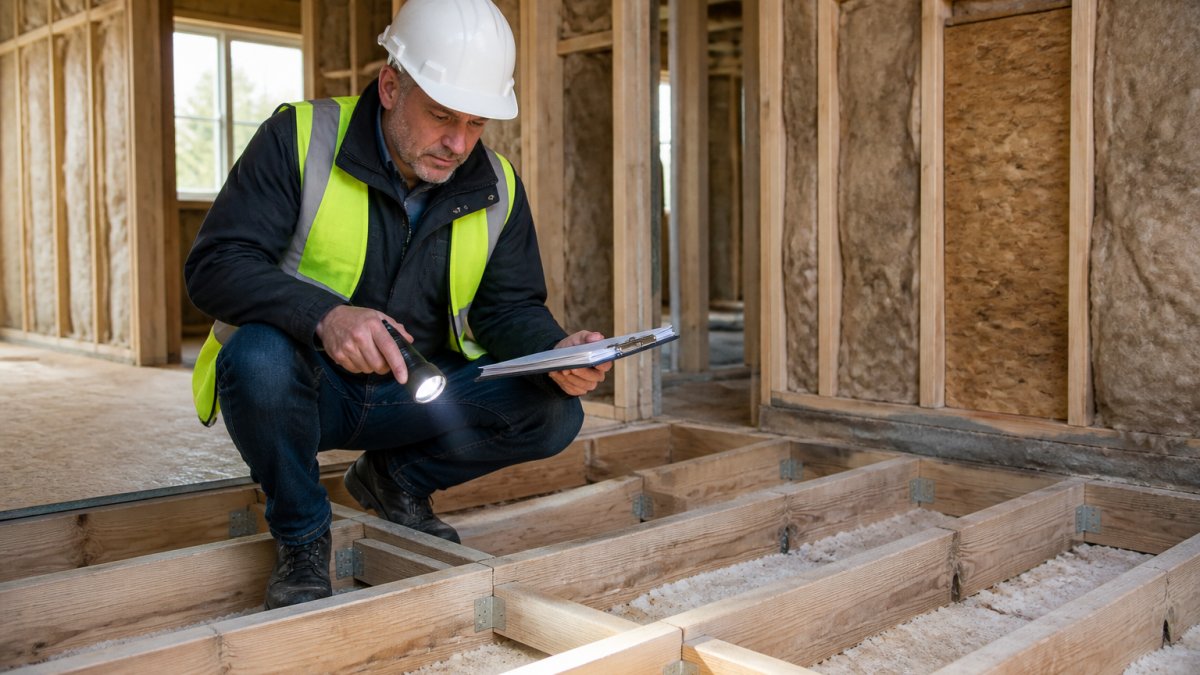
Book each visit at least 24 to 48 hours ahead. Timescales vary by council, so confirm when you submit.
What Delays Building Control Approval
Delays rarely come from the council's side alone. In our experience, they come from incomplete information, changes made on site, and inspections booked too late.
The main culprits:
- Missing structural calculations - the council cannot approve what it cannot assess
- Design changes mid-build - each change may need re-checking
- Late inspection bookings - work gets covered before it is seen
- Unclear drainage strategy - a frequent sticking point on extensions
- Fee or form errors - small, but they stop the clock
If you want to control the timeline, control the paperwork. A planning-led practice such as Solvers Architecture Ltd prepares building regulation drawings and submits them to the council, so the information arrives complete the first time.
That is the difference between a five-week approval and a five-month one.
Conclusion
The real challenge is not the council's timescale, it is arriving at submission with everything in order. A Full Plans application can be decided in five weeks; a Building Notice lets you start in 48 hours. Both depend on complete, accurate drawings.
If you want your building regulations drawings and council submission handled properly, book a free consultation with Solvers Architecture Ltd. We prepare the drawings, coordinate the structural information, and manage the submission so your project moves forward without avoidable delays.
Frequently Asked Questions
How long does building control approval take for a full plans application?
A full plans application has a statutory determination period of five weeks, though your local authority can extend this to two months if you agree. In practice, many straightforward domestic projects are approved within three to four weeks. The clock starts when the authority receives a complete application, so missing drawings, structural calculations or specification details will pause progress and push the decision back.
How long does a building notice take to be approved?
A building notice does not receive formal approval. You give the local authority at least 48 hours' notice before starting work, and inspections happen as the job progresses. That speed suits minor domestic work, but it carries risk: without approved drawings, problems are often found on site, when correcting them costs more. For extensions, loft conversions or structural alterations, a full plans application is usually the safer route.
Can building work start before building control approval is granted?
With a building notice, yes, as long as you have given 48 hours' notice. With a full plans application, work can also start before a decision, but you lose the protection of an approved design and any non-compliant work becomes your responsibility to put right. Starting early is only sensible when the drawings are complete and the builder is working to them, not as a way to save time on a rushed scheme.
What can delay a building regulations application?
The most common causes are incomplete submissions: missing structural calculations, unclear drainage details, or no specification for fire safety and insulation. Inaccurate or contradictory drawings trigger requests for further information, which resets the clock. Party wall matters, listed building consent and protected species surveys can also hold things up. A pre-application check with your designer and an early call to building control catches most of these before they cost you weeks.